

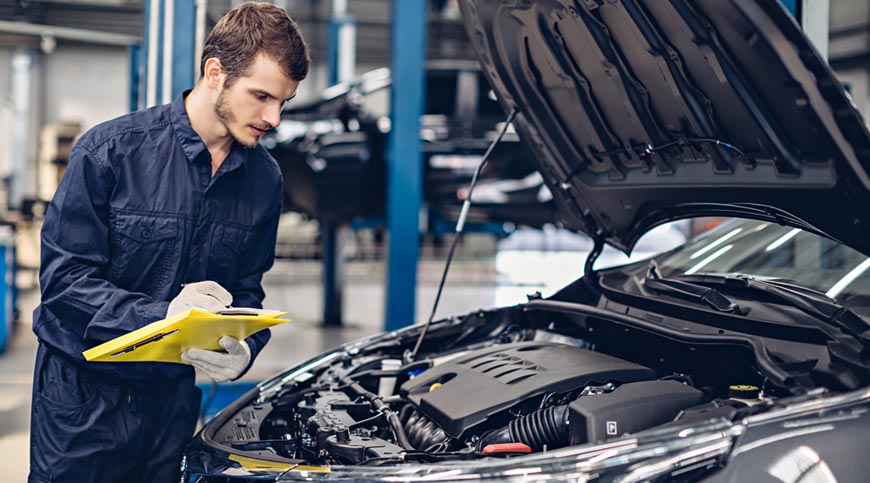
The Role of Professional Auto Service in Vehicle Safety
Vehicle safety depends on far more than careful driving. Behind every reliable and secure car is consistent professional auto service that ensures all systems work as designed. While basic checks can be done at home, trained technicians and specialized tools play a critical role in identifying risks that aren’t always visible.
Understanding how professional auto service contributes to safety helps car owners make informed maintenance decisions and reduce the likelihood of accidents.
Why Vehicle Safety Depends on Professional Auto Service
Modern vehicles are complex machines with interconnected mechanical and electronic systems. When one component fails, it can compromise overall safety.
Professional auto service ensures:
- Accurate inspections using specialized equipment
- Proper calibration of safety systems
- Repairs that meet manufacturer specifications
This level of precision is difficult to achieve without professional expertise.
Expert Brake System Inspections
The braking system is one of the most critical safety components in any vehicle. Even minor brake issues can significantly increase stopping distances.
How Professionals Enhance Brake Safety
Trained technicians inspect:
- Brake pads and rotors for wear
- Brake fluid condition and contamination
- Calipers and hydraulic components
Professional inspections detect uneven wear and hidden issues before braking performance declines.
Steering and Suspension Safety Checks
Steering and suspension systems control vehicle stability, handling, and responsiveness. Problems in these areas often develop gradually and may go unnoticed by drivers.
Professional service identifies:
- Worn suspension components
- Alignment issues
- Loose or damaged steering parts
Maintaining these systems ensures predictable handling and safer control in emergency situations.
Advanced Diagnostics for Safety Systems
Modern cars rely heavily on electronic safety features such as anti-lock brakes, traction control, and stability systems.
Professional auto service uses diagnostic tools to:
- Scan for fault codes
- Test sensor accuracy
- Verify system communication
Accurate diagnostics help ensure safety features function properly when needed most.
Tire Safety and Professional Evaluation
While checking tire pressure is simple, professional tire inspections go much deeper.
Technicians assess:
- Uneven tread wear patterns
- Internal tire damage
- Proper balancing and alignment
Correct tire setup improves grip, braking efficiency, and overall driving stability.
Electrical and Lighting System Reliability
Visibility and signaling are essential for preventing accidents. Electrical issues can cause intermittent failures that drivers may not notice immediately.
Professional inspections include:
- Headlight and taillight functionality
- Battery and charging system health
- Wiring and connection integrity
Reliable lighting and electronics improve both driver awareness and road visibility.
Preventive Maintenance and Accident Prevention
Preventive maintenance reduces the likelihood of sudden failures that can lead to accidents.
Professional service helps prevent:
- Brake failure under heavy use
- Tire blowouts from undetected damage
- Engine stalling in traffic
Preventive care is a proactive approach to safety, not just vehicle longevity.
Compliance With Safety Standards and Recalls
Professional auto service centers stay informed about safety standards and manufacturer updates.
Benefits include:
- Proper handling of safety recalls
- Compliance with inspection requirements
- Use of approved replacement parts
This ensures your vehicle meets current safety expectations.
When Professional Service Matters Most
While all maintenance is important, professional service is especially critical:
- Before long road trips
- When warning lights appear
- After collisions or curb impacts
- As vehicles age
Timely professional inspections reduce risks during high-demand driving situations.
FAQs About Professional Auto Service and Vehicle Safety
Can professional auto service really prevent accidents?
While no service can eliminate all risk, professional maintenance significantly reduces the likelihood of mechanical failures that cause accidents.
Are safety inspections necessary if my car feels fine?
Yes. Many safety issues develop gradually and show no immediate symptoms.
How often should I have a professional safety inspection?
At least once a year, or more often if you drive frequently or in harsh conditions.
Do professional services check electronic safety systems?
Yes. Technicians use diagnostic tools to inspect and verify electronic safety features.
Is professional service more important for older vehicles?
Older vehicles benefit greatly from professional inspections due to increased wear and aging components.
Can skipped maintenance compromise safety features?
Yes. Neglected maintenance can cause safety systems to malfunction or fail when needed.
Does professional auto service improve driver confidence?
Absolutely. Knowing your vehicle has been thoroughly inspected improves peace of mind on the road.