

Mercedes: A Timeless Symbol of Luxury, Innovation, and Automotive Excellence
Mercedes-Benz is more than just a car brand; it is a hallmark of engineering brilliance, luxury craftsmanship, and automotive innovation. With a legacy spanning over a century, Mercedes has continuously set the benchmark for what it means to blend performance, elegance, and cutting-edge technology. From its early pioneering days to the modern era of electric mobility, Mercedes-Benz remains synonymous with prestige and forward-thinking excellence in the global automotive landscape.
The origins of Mercedes-Benz trace back to the very dawn of the automobile industry. In 1886, Karl Benz patented the first true gasoline-powered automobile, a three-wheeled Motorwagen, which laid the foundation for the modern car. Soon after, the merger of Karl Benz’s company and Daimler-Motoren-Gesellschaft, led by Gottlieb Daimler, formed what we now know as Mercedes-Benz. The brand name itself honors Mercedes Jellinek, the daughter of influential automobile dealer Emil Jellinek, who played a pivotal role in marketing and shaping the company’s early success. This rich history underpins Mercedes’ reputation as an innovator and a leader, setting the tone for its future developments.
At the heart of Mercedes’ allure lies an unwavering commitment to quality and luxury. Every Mercedes vehicle is a meticulously crafted masterpiece, blending superior materials, elegant design, and advanced technology. The interiors are often described as sanctuaries, where artisanship meets ergonomics. Hand-stitched leather seats, ambient lighting, and intuitive infotainment systems create an environment of refined comfort and convenience. This dedication to excellence ensures that drivers and passengers alike enjoy not just a means of transportation but an immersive experience of sophistication.
Technological innovation has always been a cornerstone of Mercedes-Benz’s philosophy. The brand pioneered many automotive breakthroughs that are now standard across the industry, such as anti-lock braking systems (ABS), airbags, and stability control. More recently, Mercedes has invested heavily in autonomous driving technologies, connectivity, and electric propulsion. The EQ sub-brand, Mercedes’ venture into electric vehicles, showcases the company’s vision for a sustainable future without compromising performance or luxury. Models like the EQS demonstrate how Mercedes is redefining electric mobility with cutting-edge battery technology, ultra-modern design, and exceptional driving dynamics.
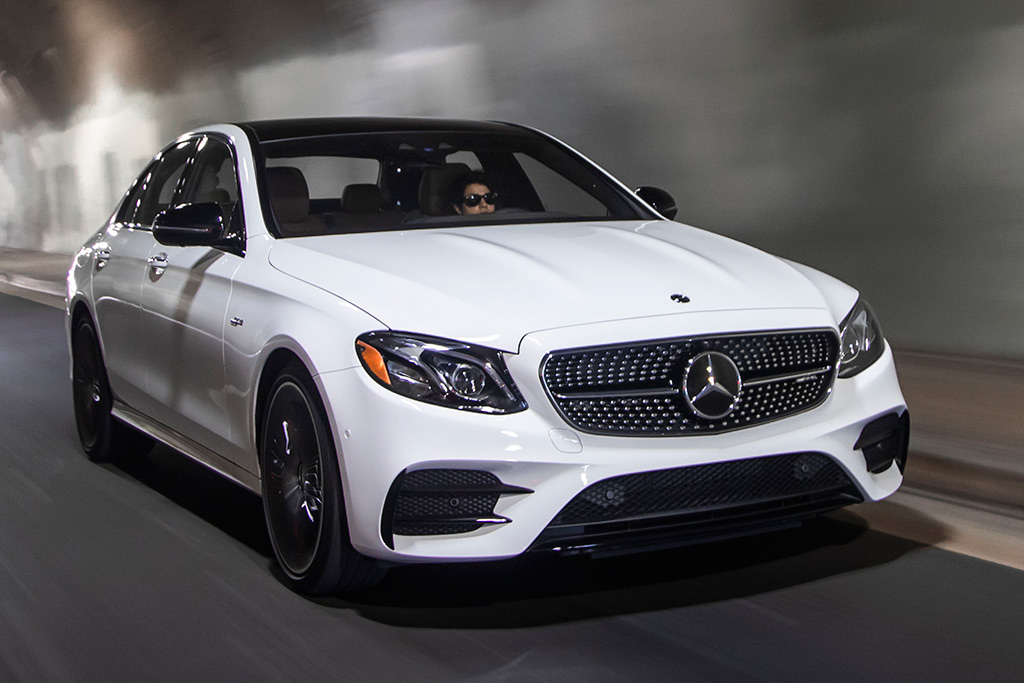
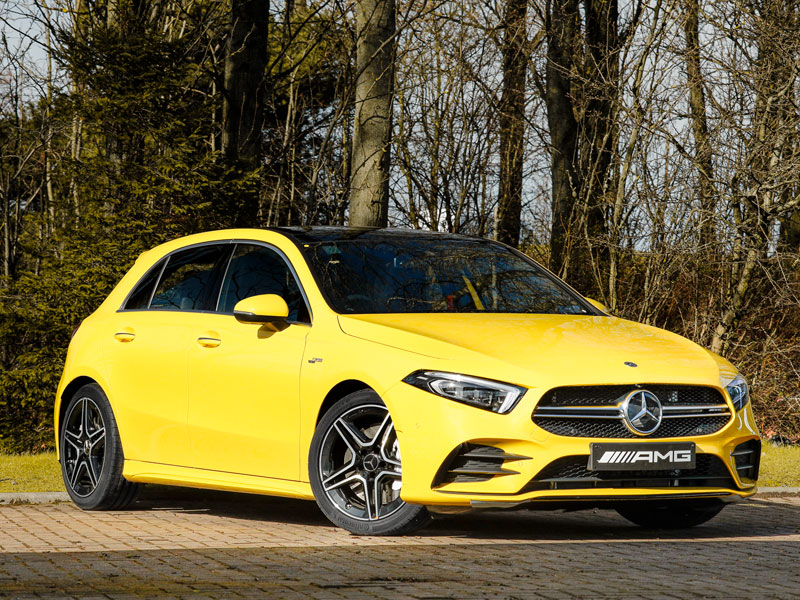
Performance is another defining characteristic of Mercedes-Benz. The brand’s AMG division, renowned for producing high-performance variants, delivers an exhilarating blend of power, precision, and engineering expertise. AMG models are often celebrated for their muscular engines, responsive handling, and striking aesthetics. Whether it’s a sleek AMG GT coupe or a powerful AMG SUV, these vehicles exemplify Mercedes’ ability to marry luxury with adrenaline-pumping performance. This dual identity—luxury and sportiness—resonates with drivers seeking an elevated driving experience without sacrificing comfort or prestige.
Mercedes-Benz’s influence extends beyond private automobiles into commercial vehicles, motorsport, and even aerospace technology. The brand’s commercial trucks and buses are known for their durability, efficiency, and innovation in logistics and transport. In motorsport, Mercedes-AMG Petronas Formula One Team has dominated the F1 scene in recent years, combining cutting-edge engineering with strategic brilliance. This racing pedigree feeds back into the development of consumer vehicles, ensuring that the brand’s cars benefit from the latest advances in aerodynamics, materials, and powertrain technology.
Sustainability has become an increasingly important pillar in Mercedes’ strategy. Recognizing the pressing challenges of climate change and environmental impact, the company has committed to ambitious targets to achieve carbon neutrality throughout its entire value chain by 2039. This commitment encompasses everything from manufacturing processes to vehicle emissions and battery recycling. Mercedes is also exploring alternative fuels, such as hydrogen fuel cells, alongside electric vehicles, demonstrating a comprehensive approach to future mobility that balances innovation with responsibility.
Culturally, Mercedes-Benz has cultivated an aura of prestige and exclusivity. The three-pointed star emblem is instantly recognizable worldwide, symbolizing quality, reliability, and status. Owning a Mercedes is often seen as a milestone, reflecting personal achievement and refined taste. The brand’s marketing and sponsorships, from art exhibitions to luxury lifestyle events, reinforce its image as not merely a car manufacturer but a purveyor of aspiration and elegance.
Customer experience remains a vital focus for Mercedes-Benz. The brand invests significantly in aftersales services, ensuring that ownership is seamless and gratifying. From concierge services to bespoke customization options, Mercedes caters to a clientele that expects nothing short of excellence. This holistic approach extends to digital innovations, where the Mercedes me platform offers remote vehicle management, real-time diagnostics, and personalized support, blending luxury with modern convenience.
In conclusion, Mercedes-Benz represents the epitome of automotive artistry and innovation. Its century-long legacy is marked by pioneering spirit, uncompromising quality, and visionary leadership. From its groundbreaking inventions to its luxurious designs and environmental commitments, Mercedes continues to define what it means to be a leader in the automotive world. For those who appreciate engineering mastery combined with timeless elegance, Mercedes-Benz is not just a car—it is an enduring symbol of excellence and aspiration. As the brand navigates the challenges of the future, one thing remains certain: Mercedes will continue to inspire and captivate generations of drivers around the globe.