

Car Service: The Unsung Hero of Vehicle Longevity and Safety
In the world of automobiles, the spotlight often shines brightest on the latest models, cutting-edge technology, and performance capabilities. Yet, beneath the glossy surface of every vehicle lies an essential, ongoing commitment that determines how well that car performs over time: car service. Often overlooked or postponed, routine car servicing is a critical element in preserving vehicle safety, reliability, and value. This article explores the multifaceted importance of car service, delving into its benefits, common practices, and why it deserves a central place in every car owner’s maintenance routine.
At its essence, car service refers to the scheduled maintenance and inspection of a vehicle to ensure it remains in optimal working condition. This process involves a series of checks, adjustments, and replacements tailored to the car’s make, model, and mileage. Manufacturers usually provide detailed service schedules, recommending specific interventions at various intervals to preempt potential issues. While the idea of regular servicing might seem mundane compared to the thrill of driving, its impact on a car’s lifespan and safety cannot be overstated.
One of the primary benefits of consistent car servicing is enhanced safety. Vehicles are complex machines composed of numerous interconnected systems—brakes, tires, suspension, engine, and electrical components—all of which must work harmoniously to guarantee safe operation. Over time, wear and tear can compromise these systems, leading to reduced performance or even dangerous failures. For example, brake pads naturally wear down, tire tread diminishes, and fluids lose their effectiveness. A thorough service appointment identifies such concerns early, allowing for timely repairs that prevent accidents and breakdowns.
Beyond safety, car servicing plays a crucial role in maintaining efficiency and performance. Regular oil changes, filter replacements, and fluid top-ups ensure that the engine runs smoothly and fuel consumption remains optimal. Neglecting these tasks can lead to sluggish acceleration, increased emissions, and costly repairs down the line. In a world increasingly conscious of environmental impact, keeping a car well-maintained aligns with broader goals of sustainability by reducing pollution and extending the vehicle’s useful life.
A well-executed car service also preserves the vehicle’s resale value. For many owners, a car represents a significant investment, and when the time comes to sell or trade it in, a comprehensive service history can be a compelling selling point. Prospective buyers and dealerships alike favor vehicles with documented maintenance records, as they signal careful ownership and reduced risk of hidden defects. Conversely, neglecting routine servicing can lead to premature wear, mechanical problems, and a lower market value.
The scope of car servicing varies depending on the vehicle and service type. Commonly, car services are categorized into interim, full, or major services. An interim service, typically recommended every 6,000 miles or six months, includes basic checks such as oil and filter changes, brake inspections, and fluid level assessments. Full services, conducted approximately every 12,000 miles or annually, are more comprehensive, covering additional components like spark plugs, air filters, and suspension systems. Major services, which may occur every 24,000 miles or two years, involve a deep dive into the vehicle’s mechanics, including timing belt replacement, transmission checks, and other critical examinations.
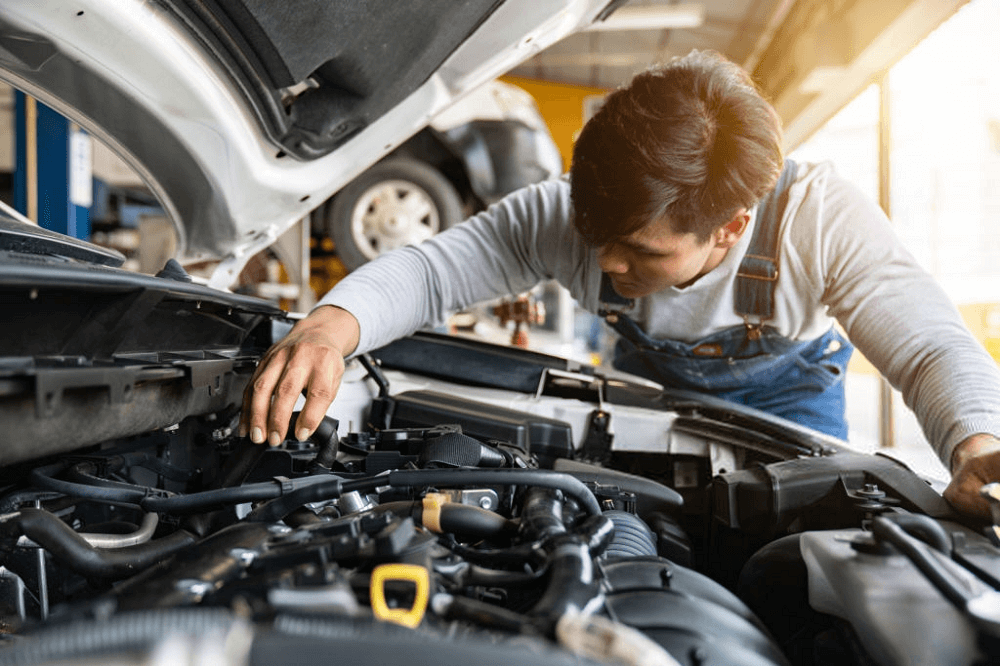
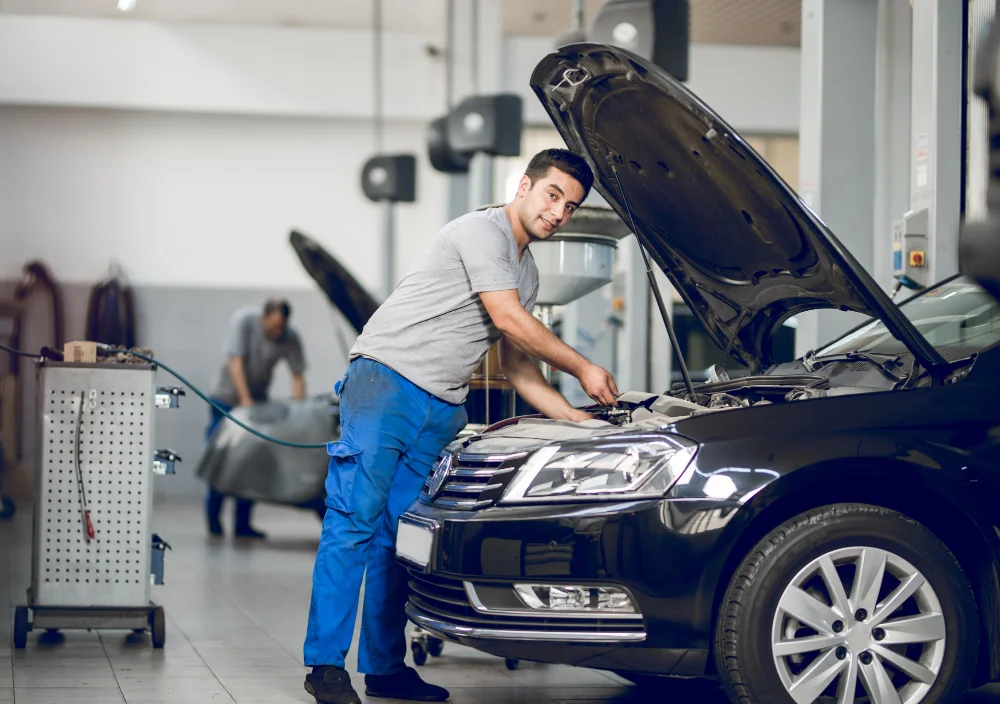
Professional car service centers bring specialized expertise and equipment to the task, offering peace of mind that all necessary maintenance is performed to exacting standards. Many dealerships and independent garages use manufacturer-approved parts and follow prescribed procedures, ensuring warranty compliance and optimal vehicle care. Technicians are trained to detect subtle signs of trouble that may elude the average driver, from engine misfires to electronic sensor malfunctions. This expert insight is invaluable in preventing small issues from escalating into major repairs.
In recent years, technological advances have further refined the car service experience. Modern vehicles come equipped with sophisticated diagnostic systems that alert owners to upcoming service needs and potential faults. Service centers now employ computerized diagnostic tools that can interface directly with the car’s onboard systems, providing real-time analysis and precise identification of issues. This fusion of technology and expertise has elevated the accuracy, efficiency, and convenience of car servicing.
However, the responsibility for regular maintenance ultimately rests with the car owner. Proactive attention to the vehicle’s condition, adherence to service schedules, and prompt response to warning signs are essential habits. Ignoring dashboard alerts, unusual noises, or changes in handling can have severe consequences. Educating oneself about basic car maintenance and establishing a relationship with a trusted service provider are wise steps toward safeguarding one’s investment and safety.
Moreover, car service is not only a matter of mechanical upkeep but also environmental stewardship. Efficiently maintained cars emit fewer pollutants and consume fuel more effectively, contributing to cleaner air and reduced greenhouse gases. In many regions, regular vehicle inspections and emissions testing are mandated by law, underscoring the public importance of vehicle maintenance. By ensuring that cars meet these standards, owners play a role in broader efforts to combat pollution and promote sustainable transportation.
In conclusion, car service is the unsung hero behind every smooth ride and reliable journey. It encompasses far more than simple oil changes or tire rotations—it is a holistic approach to vehicle health that encompasses safety, performance, financial prudence, and environmental responsibility. While it may lack the glamour of a flashy new car, diligent servicing is the cornerstone of automotive excellence and longevity. Car owners who embrace regular maintenance not only protect themselves and their passengers but also contribute to a safer, cleaner, and more efficient driving landscape. The investment of time and care in car servicing is, without doubt, an investment in peace of mind and the enduring pleasure of the open road.