

Auto Parts: The Unsung Backbone of Modern Mobility
In the grand narrative of technological progress, few innovations have revolutionized everyday life as profoundly as the automobile. It has transformed cities, redefined commerce, and reshaped our sense of time and distance. Yet beneath the polished surface of every vehicle lies a hidden world of intricately engineered components—auto parts that, together, make mobility possible. These parts, often overlooked, are the unsung heroes of transportation, merging precision, durability, and design in service of function.
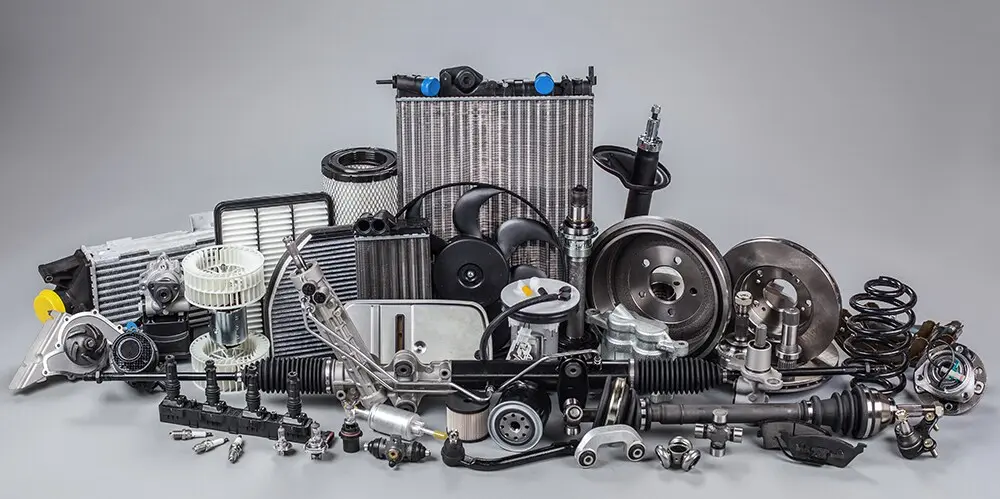
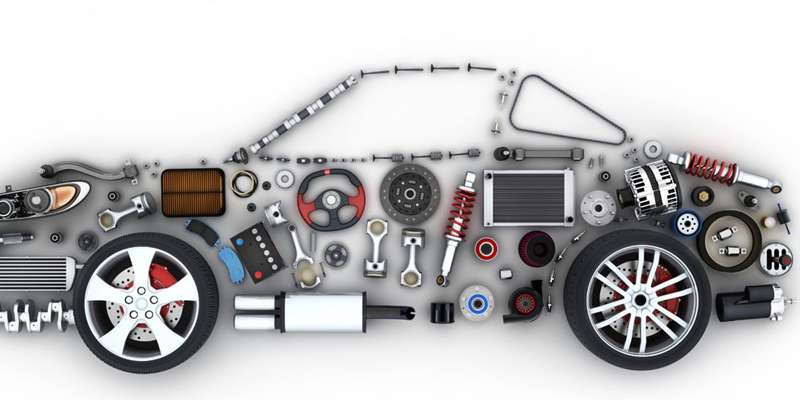
Auto parts encompass an astonishingly broad array of components, ranging from the most conspicuous—tires, headlights, windshields—to the virtually invisible, such as gaskets, fuel injectors, and transmission solenoids. Every vehicle, whether a compact city car or a massive freight truck, is a symphony of these parts working in harmony. The reliability, efficiency, and performance of a vehicle hinge directly on the quality and maintenance of its components.
One cannot delve into the world of auto parts without first distinguishing between the different categories. Broadly speaking, auto parts fall into three main groups: original equipment manufacturer (OEM) parts, aftermarket parts, and remanufactured or rebuilt parts. OEM parts are made by the car’s manufacturer or an approved partner and are designed to match the exact specifications of the vehicle. These are often considered the gold standard in terms of quality and compatibility, though they can carry a premium price tag.
Aftermarket parts, by contrast, are produced by independent companies and come in a wide range of quality and price. Some aftermarket manufacturers focus on cost-effectiveness, offering budget-friendly alternatives to OEM components. Others push the envelope of innovation, designing performance parts that can even surpass the original specifications. This is particularly common in the realm of performance tuning, where enthusiasts may opt for enhanced suspension systems, high-flow air intakes, or precision-machined brake rotors.
Then there are remanufactured or rebuilt parts—components that were previously used but have been restored to working condition. This category serves a critical function in both sustainability and cost efficiency. A remanufactured engine, for example, can offer a second life to a vehicle that might otherwise be scrapped, reducing environmental impact and saving the owner thousands in replacement costs.
The rise of e-commerce has fundamentally altered the way consumers access and purchase auto parts. In years past, sourcing a specific component often meant a trip to a brick-and-mortar auto parts store or a visit to a dealership. Today, an array of digital marketplaces allows consumers to compare prices, read reviews, and even access installation guides—all from their smartphones. This digital shift has democratized the auto parts industry, empowering both DIY mechanics and professional technicians with tools and resources that were once the domain of specialists.
Despite these advances, the auto parts market remains complex and, at times, opaque. Part compatibility, for instance, is a common challenge. Two vehicles of the same model and year might require different parts due to mid-year manufacturing changes, regional specifications, or factory-installed options. As a result, selecting the correct component often demands a nuanced understanding of part numbers, vehicle identification numbers (VINs), and technical specifications.
It’s also important to recognize the critical role that auto parts play in safety. A worn-out brake pad, a faulty steering rack, or a deteriorating tire can turn a routine drive into a potential hazard. Regulatory bodies such as the National Highway Traffic Safety Administration (NHTSA) in the U.S. impose stringent standards on key components to ensure roadworthiness. However, the responsibility for proper maintenance ultimately rests with the vehicle owner, making education and awareness paramount.
Beyond maintenance and repair, auto parts also serve as a canvas for self-expression. For many, modifying a vehicle is an art form—a way to personalize performance, aesthetics, or both. Custom rims, body kits, high-performance exhausts, and LED lighting packages are just a few of the countless options available to those seeking to infuse their vehicles with individuality. This aspect of car culture reflects a deeper truth: that our vehicles are not merely machines, but extensions of our identity and lifestyle.
The environmental impact of auto parts production and disposal is another pressing issue. The industry is gradually shifting toward sustainable practices, including the use of recycled materials, eco-friendly manufacturing processes, and improved recyclability of end-of-life components. Hybrid and electric vehicles, with their unique parts such as lithium-ion batteries and electric drive units, present both new challenges and opportunities in this regard. As the global auto industry moves toward electrification, the parts landscape will inevitably evolve, with software, sensors, and semiconductors becoming as critical as pistons and camshafts once were.
The future of auto parts will likely be shaped by a convergence of technology, sustainability, and consumer expectations. Innovations in 3D printing could enable on-demand production of rare or obsolete parts, reducing inventory waste and improving accessibility. Artificial intelligence and predictive analytics might help drivers anticipate part failures before they occur, shifting the paradigm from reactive repairs to proactive maintenance. Meanwhile, growing awareness of environmental issues will continue to push manufacturers toward greener solutions.
In conclusion, auto parts may not capture headlines or the popular imagination in the way sleek car designs or cutting-edge infotainment systems do, but they remain the lifeblood of automotive function and innovation. Whether crafted from steel, aluminum, carbon fiber, or silicon, each component tells a story of human ingenuity and mechanical artistry. As vehicles become more complex and the world races toward a more connected, sustainable future, auto parts will continue to underpin the freedom and mobility that define our modern age.