

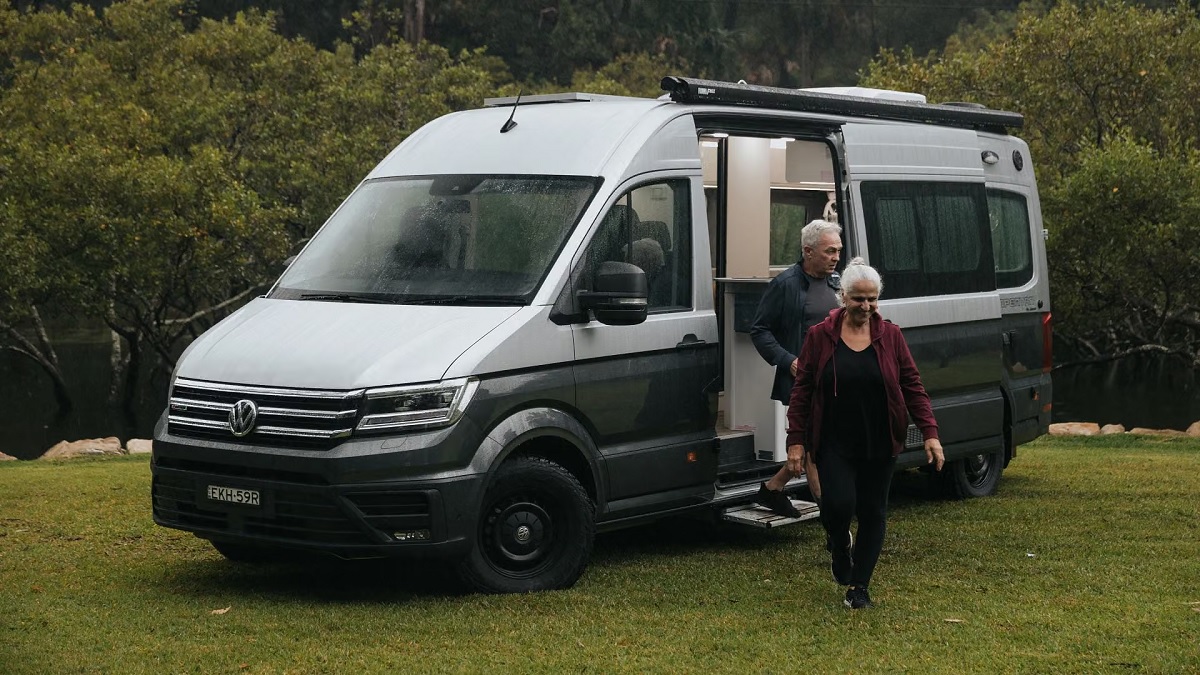
What to Check Before Buying a Volkswagen Campervan in Australia
A Volkswagen campervan can serve as a weekend escape vehicle, a long-distance tourer and even an everyday car. That versatility is a major part of its appeal, but it also means buyers need to think carefully about how the van will actually be used.
When comparing campervans for sale in Australia, start by deciding where you plan to travel, how many people will regularly sleep in the vehicle and whether it needs to handle daily driving. The right setup for short coastal trips may feel cramped during several months on the road.
Choose the Right Volkswagen Platform
The Volkswagen Transporter has been converted into campervans for several generations, so Australian buyers will encounter different models across the new and used markets. The vehicle’s age, engine, transmission and service history all deserve attention, but the quality of the conversion is equally important.
A newer vehicle may include better driver assistance technology, improved infotainment and the protection of a manufacturer warranty. An older Transporter may cost less and already have touring accessories fitted, although wear on both the vehicle and its camper equipment needs to be assessed.
Check whether replacement parts and qualified servicing are readily available where you live. This becomes particularly important for owners planning extended trips through regional Australia.
Compare Short and Long Wheelbase Models
A short wheelbase Volkswagen is usually more manageable in city traffic, suburban car parks and tighter campsites. It suits buyers who intend to use the campervan as their regular vehicle or mostly travel as a couple.
A long wheelbase model provides additional room for storage, appliances and movement inside the cabin. That extra space is valuable on longer journeys or when more than two people are travelling. The compromise is a larger turning circle and slightly greater difficulty fitting into some parking spaces.
Sit inside both sizes with the bed assembled and the roof lowered. A layout that looks spacious in photographs may feel very different once luggage, bedding and cooking equipment are added.
Check the Conversion and Its Certification
A campervan conversion affects seating, electrical systems, ventilation and the structure of the original vehicle. Ask who completed the conversion and whether the work has the required Australian engineering approvals.
Inspect the cabinetry for movement, loose fittings and sharp edges. Open every drawer and cupboard, then check whether they remain securely closed when the vehicle is moving. Seats and seatbelts should have appropriate certification, especially if passengers will travel in the rear.
The conversion should also have clear documentation for its electrical, gas and plumbing systems. Confirm which parts of the vehicle and conversion remain under warranty and who handles repairs if the buyer lives interstate.
Calculate Payload Before Adding Accessories
Camper equipment reduces the amount of weight available for passengers, water, food, luggage and accessories. Ask for the vehicle’s tare weight and gross vehicle mass, then calculate the remaining payload.
Water is particularly relevant because every litre adds roughly one kilogram. Batteries, solar panels, awnings, bike racks and upgraded suspension also contribute to the total. A van that appears well within its limit when empty may approach its maximum weight once prepared for a long Australian trip.
Consider Heat and Ventilation
Australian conditions place considerable demands on a campervan. A pop-top should provide good airflow and include insect screens, but it must also close securely and prevent water from entering during heavy rain.
Look at the insulation, window coverings and roof ventilation rather than judging the interior only by its appearance. Dark interiors and limited airflow may become uncomfortable in northern or inland regions. Test the fridge, fan, lights, charging points and water pump to confirm that every system operates correctly away from mains power.
Inspect How the Space Works in Practice
Convert the seats into a bed yourself and check its actual dimensions. Stand at the cooking area, access the fridge and test whether another person can move through the van at the same time.
Storage should be accessible without unloading half the vehicle. It is also worth checking the location of the spare wheel, tools, battery controls, water filler and electrical connections. These details may seem minor in a showroom, but they become far more noticeable after several days on the road.